Our work speaks for itself.City of Hope — Food Is Medicine, Rooted in Community
Client: City of Hope National Medical Center, Community Benefit
Location: Duarte, California
Services: Food is Medicine program design and management, teaching garden stewardship, food access, garden-to-table education, and strategic consulting
Edible Origins’ role: Connecting program strategy with day-to-day operations, education, and community participation
-
Before there was a garden, there was an abandoned lot on City of Hope’s Duarte campus. It became 15 raised beds and the launch pad for a Food is Medicine program, built to answer a need that surrounds the campus.
Eight cities served by City of Hope have poverty rates above California’s 15.1%. According to the Healthy Places Index, the communities around the campus fall in the lowest quartile in the state for healthy living conditions. City of Hope’s triennial Community Health Needs Assessment pointed to food insecurity as a need the hospital could act on. The hospital responded with a community-based food insecurity strategy that supports its inpatients, its outpatients and the wider community it serves:
Inpatients are screened for food insecurity and given a link to community resources for food program enrollment. At discharge, they are offered a 25-pound bag of food to take home.
Outpatients are also assessed for food insecurity and connected with a City of Hope patient outreach coordinator, who links them to a local organization that can enroll them in a food program.
The wider community is reached through the Garden of Hope, a staff- and volunteer-driven teaching garden on campus that offers educational programming.
-
Edible Origins helps translate that vision into a connected set of programs, pairing garden stewardship and food distribution with education and community engagement.
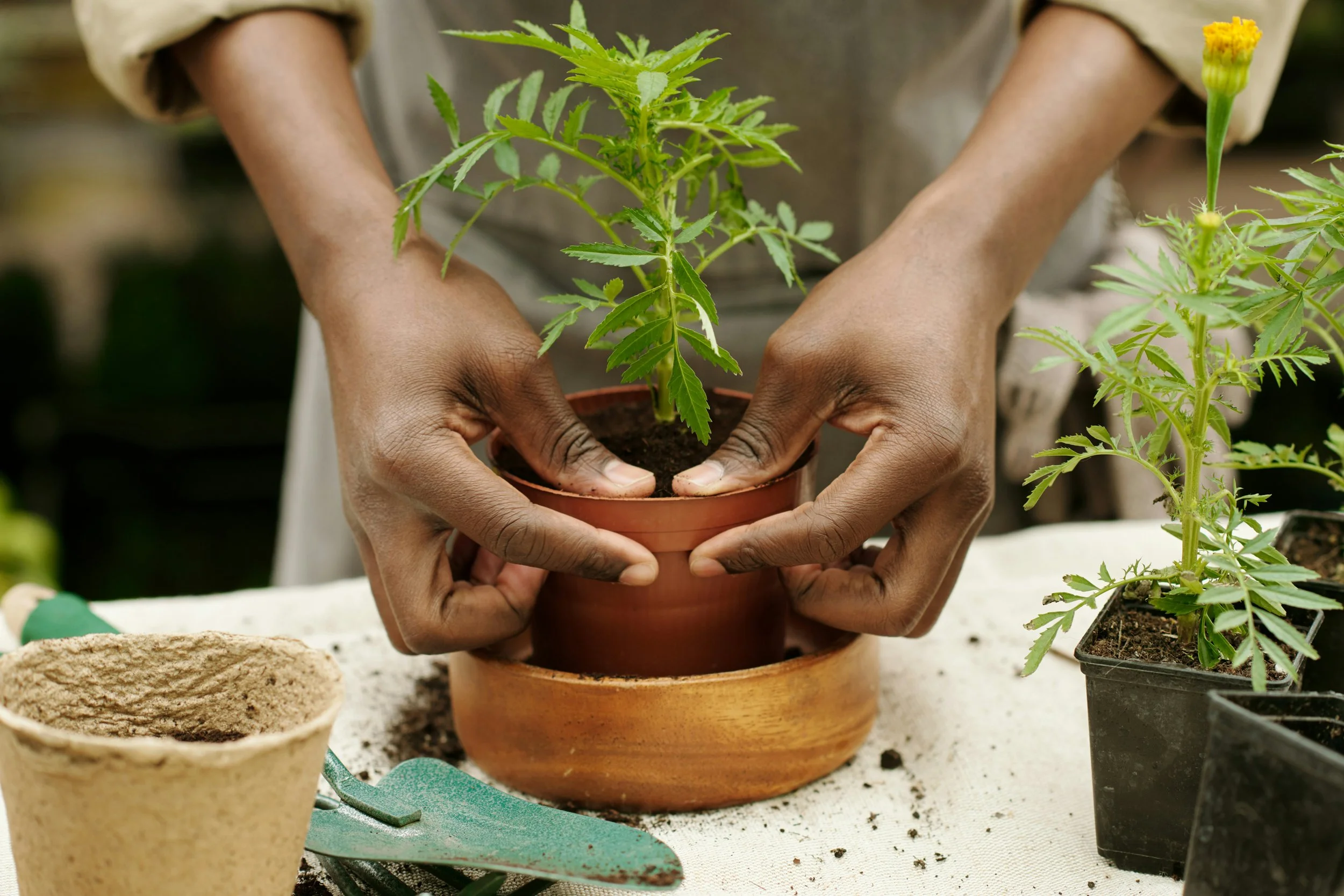
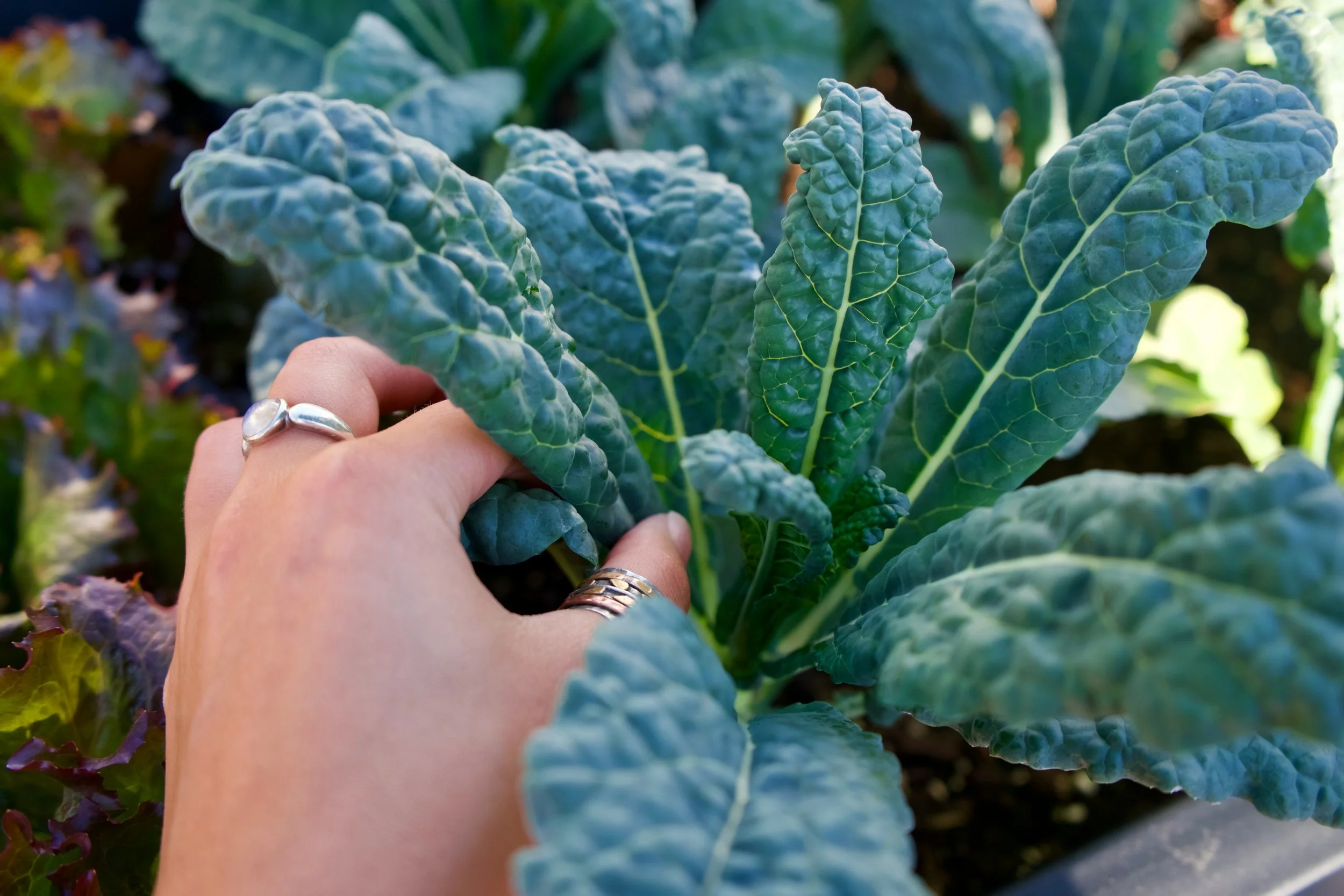
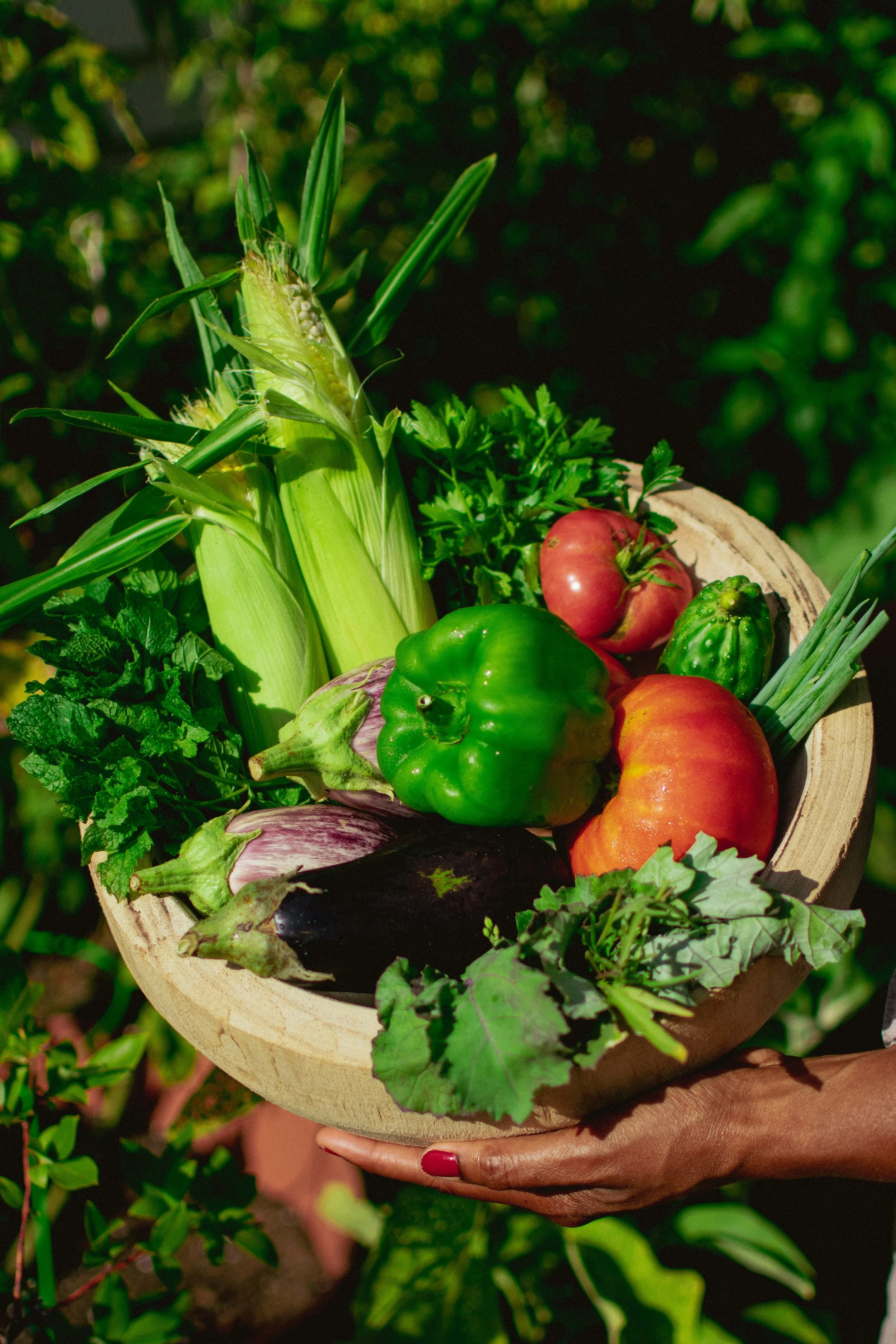
Garden of Hope: A volunteer-supported teaching and production garden where patients, caregivers, employees, and community members can grow food, learn practical skills, and contribute to a shared resource.
Seed to Supper: A garden-to-table education series combining online instruction with hands-on garden sessions. Basic and advanced learning opportunities help participants build confidence in growing food, caring for soil, and adapting their gardens to a changing climate.
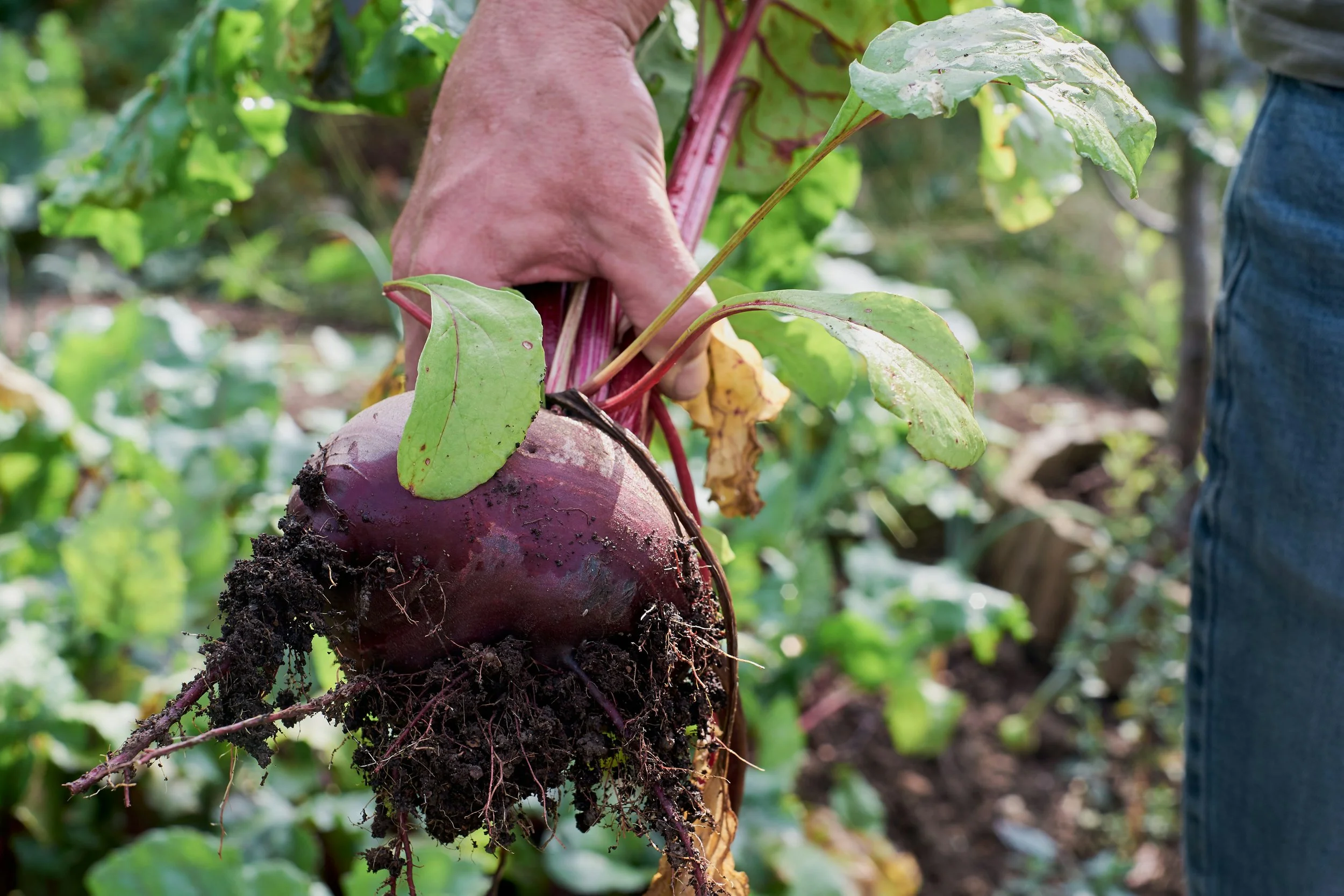
Produce for Patients: A fresh-produce distribution program that connects patients with food grown through the Garden of Hope and the broader program’s food access efforts.
Food is Medicine strategy: Guidance to Community Benefit on connecting food access, education, and garden programming within a broader approach to community health.
Meals That Heal: Developed in collaboration with City of Hope nutritionists and dietitians, this evidence-based nutrition and culinary education program supports cancer patients during and after treatment. It builds cooking skills and nutrition knowledge while teaching practical strategies for managing treatment-related side effects.
-
Approximately 31,479 pounds of produce distributed
Approximately 7,200 people reached
295 inpatient produce bags
More than 132 volunteers, contributing approximately 2,000 hours
Seed to Supper also received Gold recognition in the Health Care Communicators of Southern California “Finest Awards.”
-
A hospital garden can serve as both a source of fresh food and a place to build knowledge, relationships, and confidence. This partnership connects those functions, giving City of Hope a practical foundation for food programming that reaches beyond a single class, harvest, or distribution day.