Our work speaks for itself.
Arroyo Farm Lab — Turning District Land into a Living Classroom
Client: El Monte Union High School District, Arroyo High School
Location: El Monte, California
Services: Site design and improvements, garden-based education, culinary instruction, workforce skill development, ongoing site management, and integration into the local food system
Edible Origins’ role: Connecting the Farm Lab’s physical development, educational programming, and community partnerships while building its capacity to serve as a local food system hub—a place for growing food, sharing knowledge, developing skills, and connecting students and neighbors with the region’s food resources.
-
Operated by Eco Urban Gardens until 2026, the Arroyo Farm Lab entered a new chapter when Edible Origins took over as land stewards. Building on that foundation, we set out to expand the district land’s role as a place for learning, food production, and community participation.
The challenge was to connect an existing growing space with a broader educational and community purpose: serving multiple student populations, integrating garden-based learning into classroom instruction, and strengthening the Farm Lab’s place in the local food system. That required coordinated programming, consistent site care, and partnerships to keep the space active throughout the school year.
-
Edible Origins brings together educators, growers, cooks, and designers to develop and steward the Farm Lab as a shared learning environment and an emerging hub within the local food system.
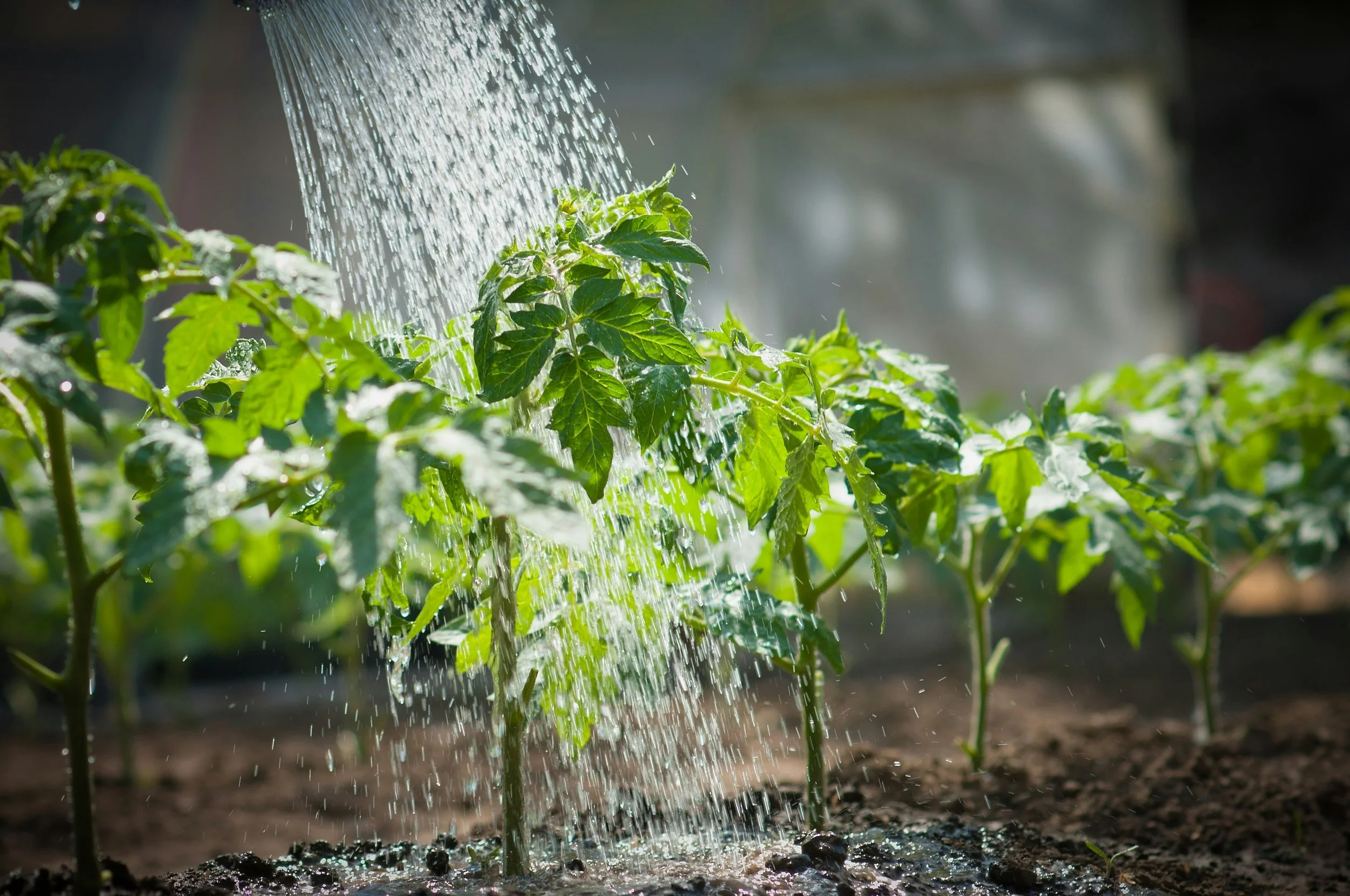
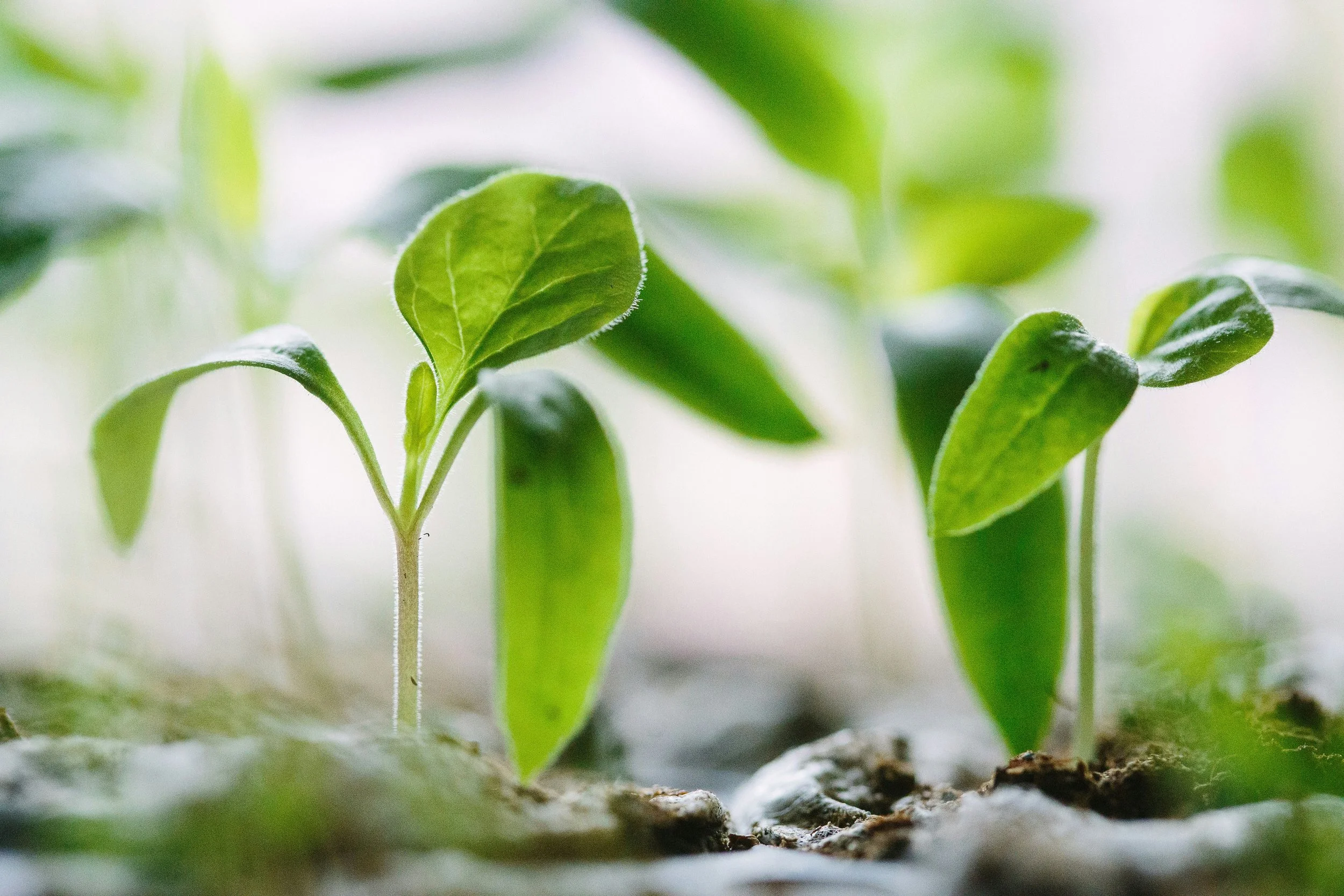
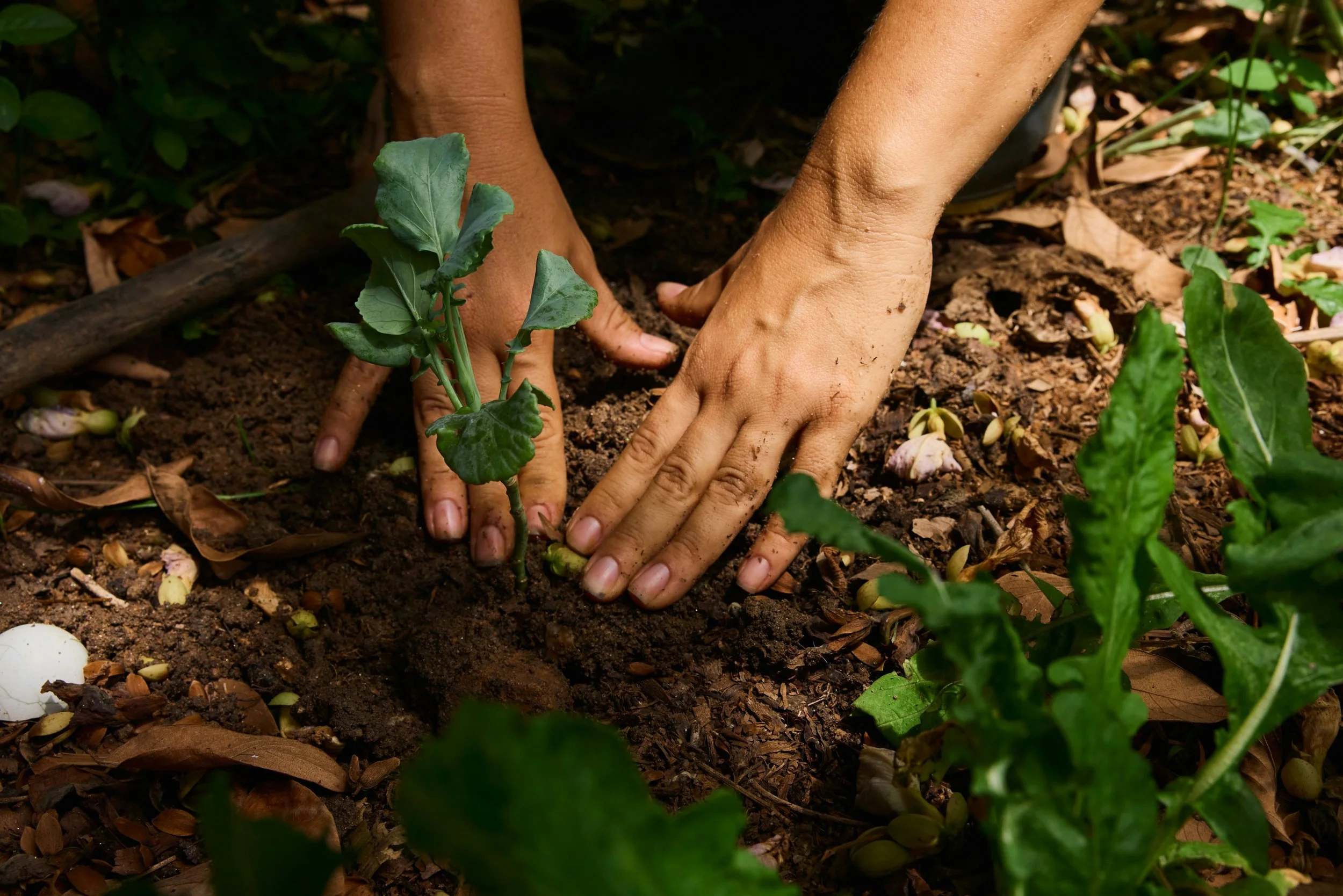
We added an orchard, expanded the native garden, installed a rain garden, and transformed the greenhouse into an outdoor classroom. Alongside raised-bed upgrades and irrigation improvements, these changes expand the site’s capacity for food production, ecological learning, and hands-on instruction.
Weekly programming gives students and community members different ways to engage with the space:
Garden-to-Kitchen culinary education: Embedded in the Advanced Food Science course, instruction connects seasonal ingredients with the course’s nutrition units. Students document their learning in portfolios that also serve as course notebooks, with a community meal planned for June 2027.
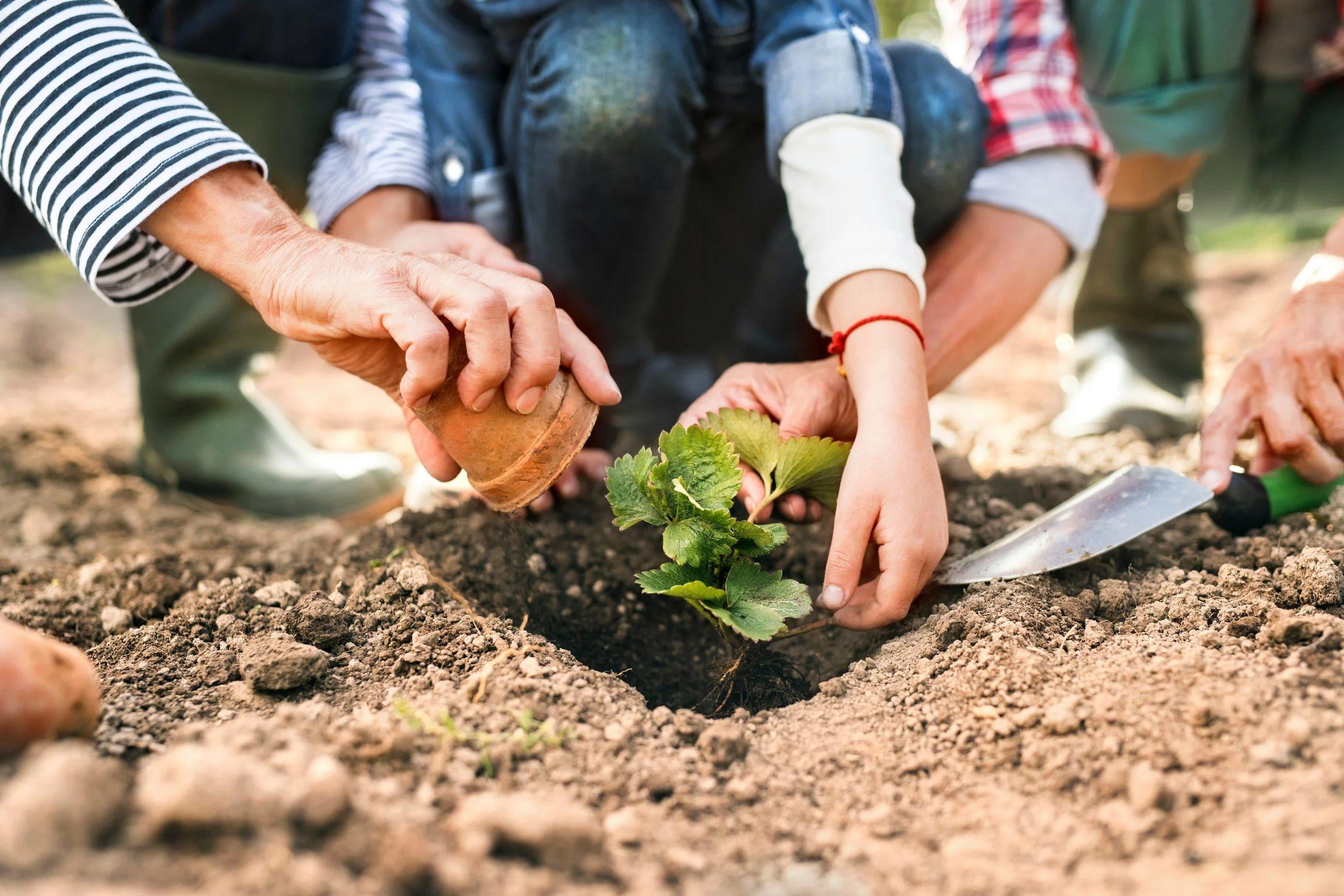
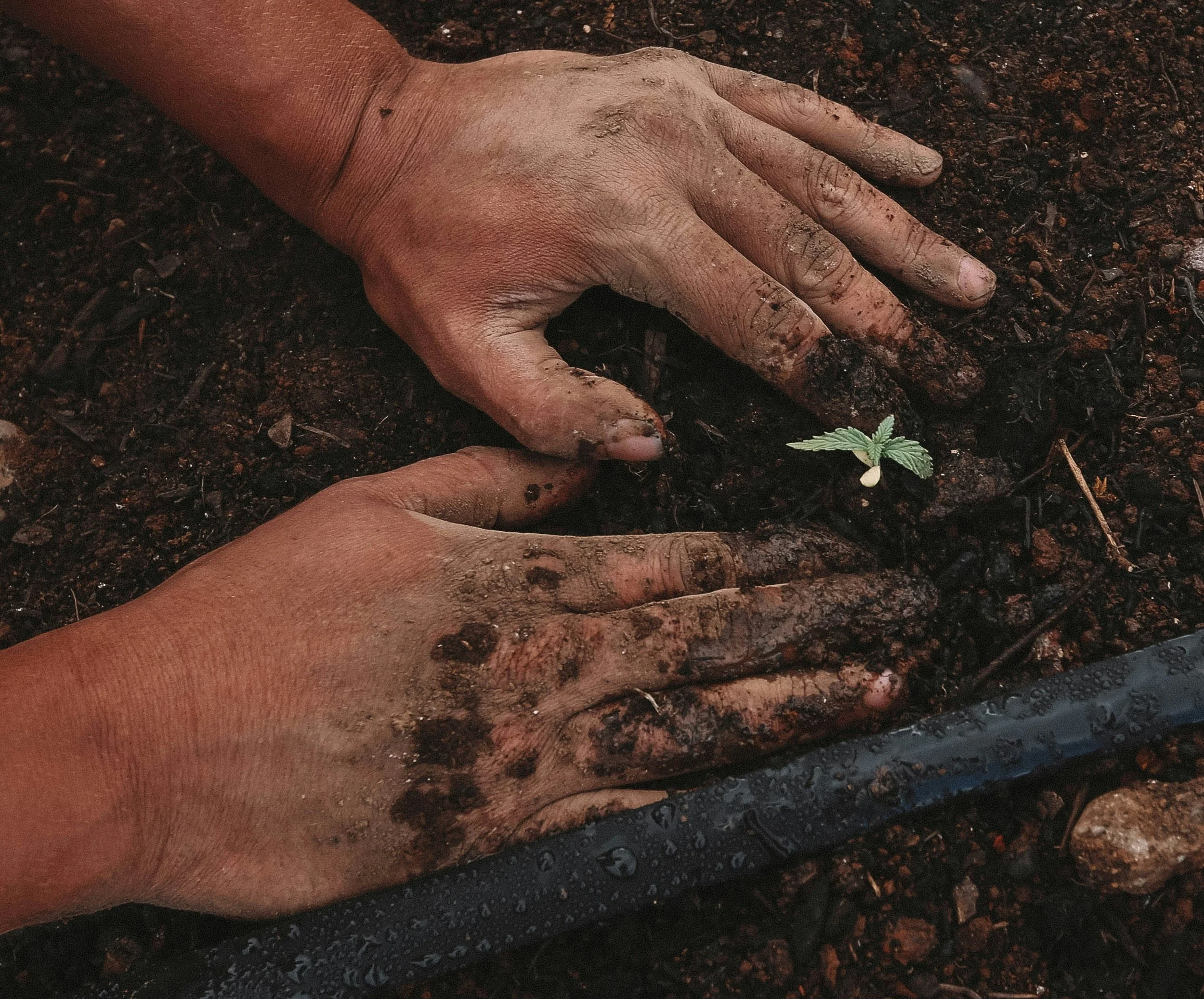
Adult Transition programming: Hands-on garden instruction gives students opportunities to practice routines, teamwork, tool use, and job-related skills through meaningful work at the site.
After-school Garden Club: Students help care for the garden and contribute ideas for its future, including the design of shared spaces and the Farm Lab entrance.
Community partnerships: A partnership with TreePeople brings free workshops on tree selection, soil and site assessment, planting, watering, and pruning to the Farm Lab, connecting the campus with broader community learning opportunities.
Ongoing stewardship: A dedicated site lead and teaching team coordinate garden care, materials, and instruction so the space can support multiple programs consistently throughout the school year.
-
The Farm Lab now supports three recurring educational pathways: Adult Transition, culinary education, and an after-school Garden Club.
The partnership has also established:
A teaching team with defined responsibilities for site leadership, garden instruction, culinary education, and classroom support.
A connection between the growing space and an existing academic course.
A three-part TreePeople workshop series that extends learning opportunities to the wider community, along with support for several TreePeople tree distributions.
A proposed public entrance design under district review, intended to make the Farm Lab more welcoming and accessible for community programming.
-
The next phase focuses on improving community access and strengthening the Farm Lab’s capacity for instruction and food production. Priorities include the proposed public entrance, infrastructure for a mobile teaching kitchen, and funding partnerships that could support future expansion.
Arroyo is helping establish a model for other district sites: a productive growing space supported by curriculum, a teaching team, student participation, and a plan for ongoing care.
-
The Farm Lab gives students a place to put learning into practice. Growing food, preparing ingredients, caring for shared spaces, and contributing to site decisions make the connection between food, land, and community tangible.